What is intentional friction?
Intentional friction is when a company deliberately adds an extra step or a slower process into the customer journey – not to annoy the customer, but because it creates a better experience or a stronger relationship.
It’s crucial to distinguish between two types of friction.
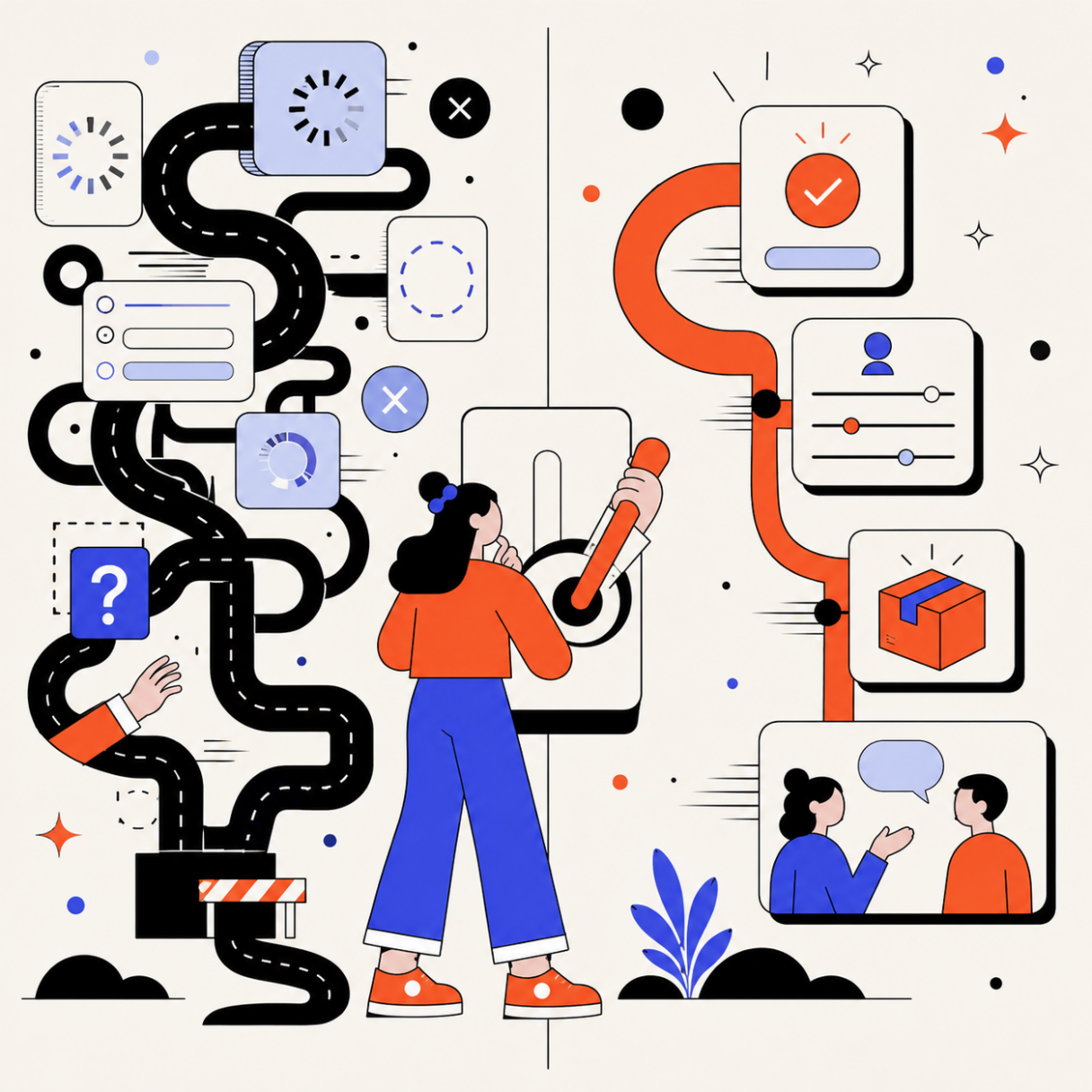
Unintentional friction is the bad kind: slow loading times, illogical navigation, and unnecessary form fields. It should always be removed.
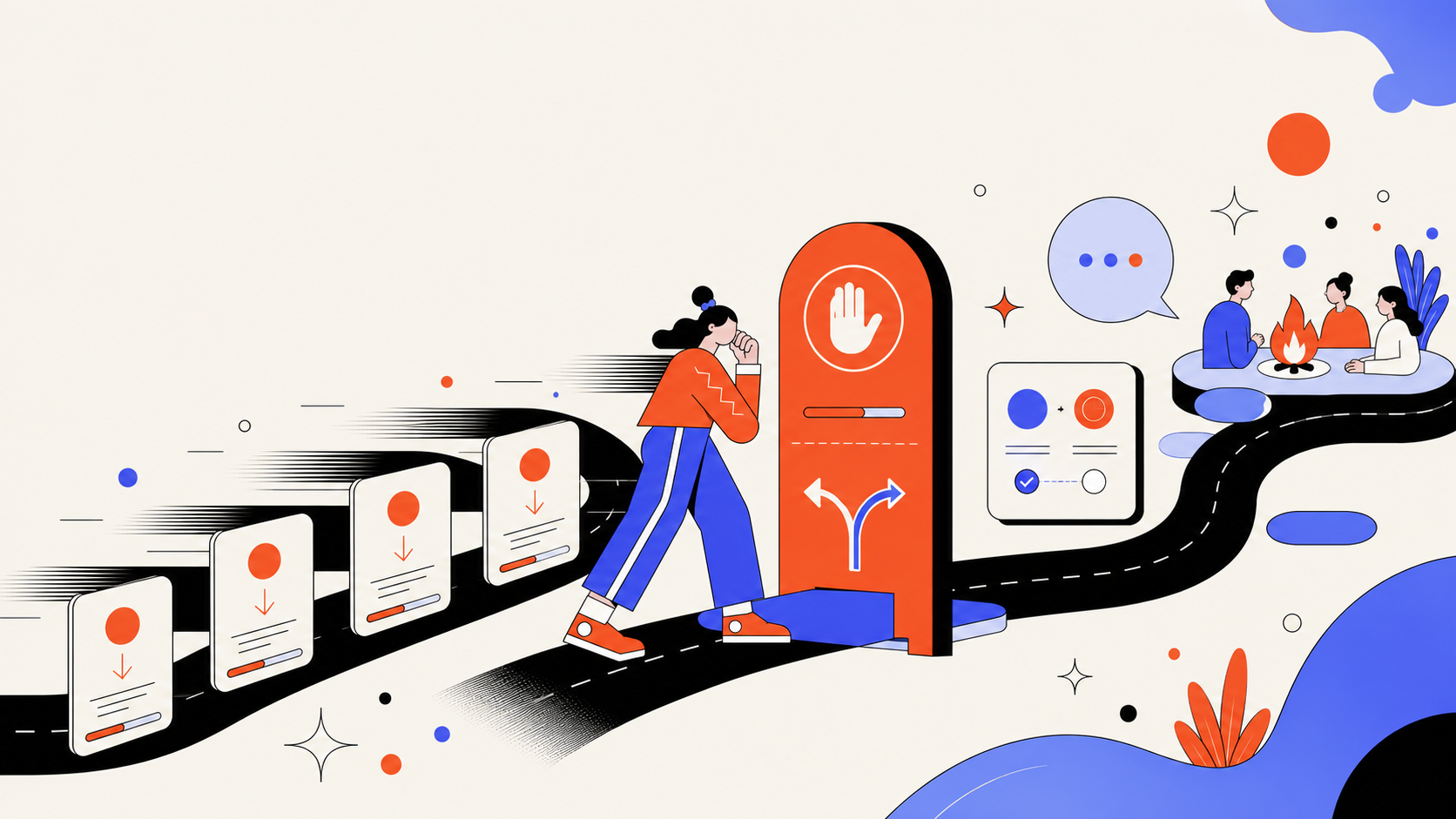
Intentional friction is the strategic kind. It makes the customer stop, reflect, and engage more deeply.
A well-known example is Gmail’s “Undo Send” feature, which slows things down – but protects the user from mistakes.
Another is Netflix’s “Are you still watching?” prompt, which interrupts autopilot behavior and gives the user the chance to make an active choice.
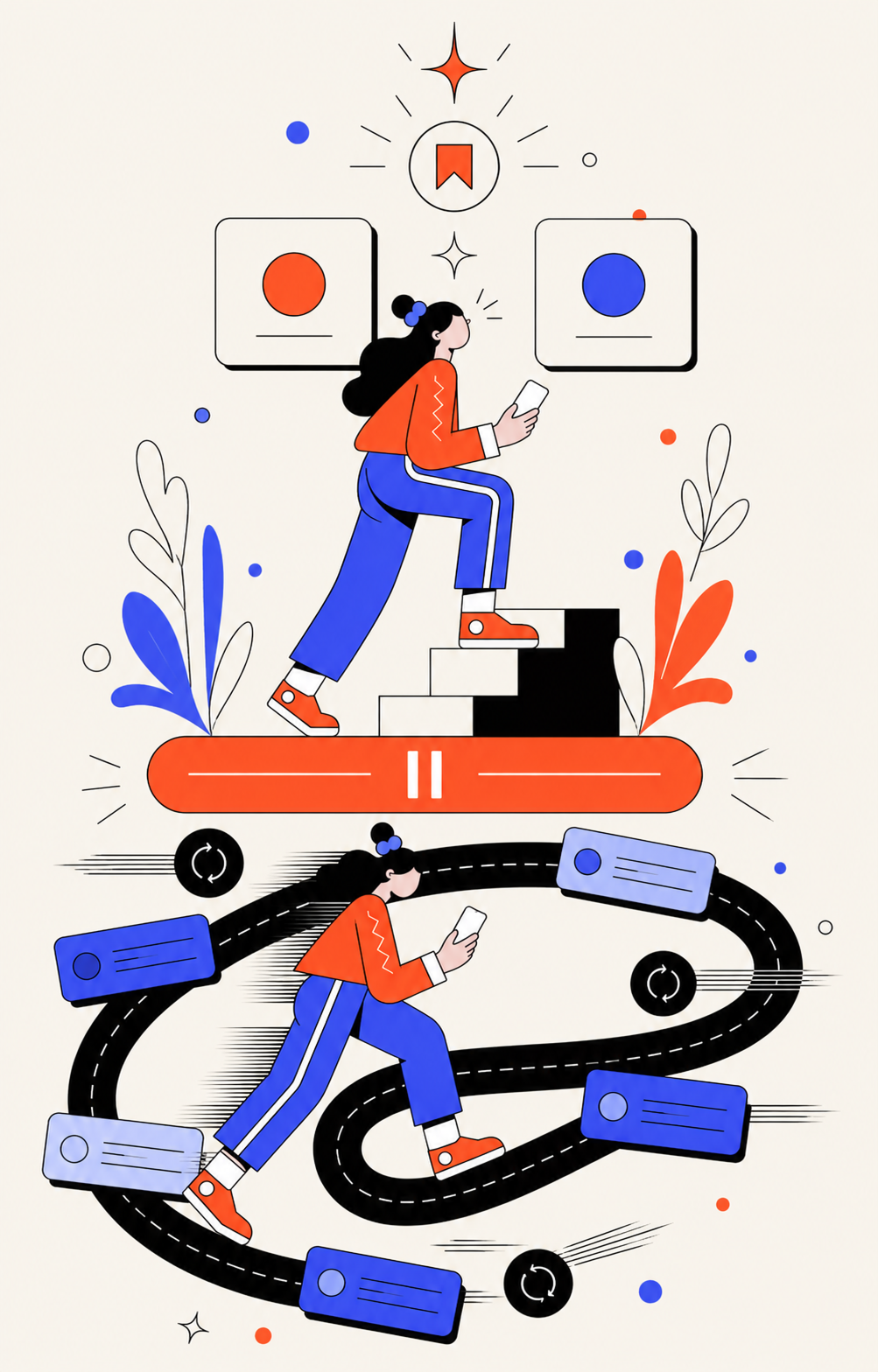
Psychological research supports this mechanism. When tasks feel too easy, what’s known as System 1 thinking is activated – the fast, automatic part of the brain. Users scroll and click without thinking.
Intentional friction forces the brain into System 2: the slow, reflective thinking that leads to better decisions and stronger memory.
Why intentional friction is an underrated marketing strategy
For more than a decade, digital marketing has been driven by a single goal: removing friction. Fewer clicks, faster load times, one-click checkout, and streamlined funnels. And it has worked. Conversion rates have risen, and customer journeys have gotten shorter.
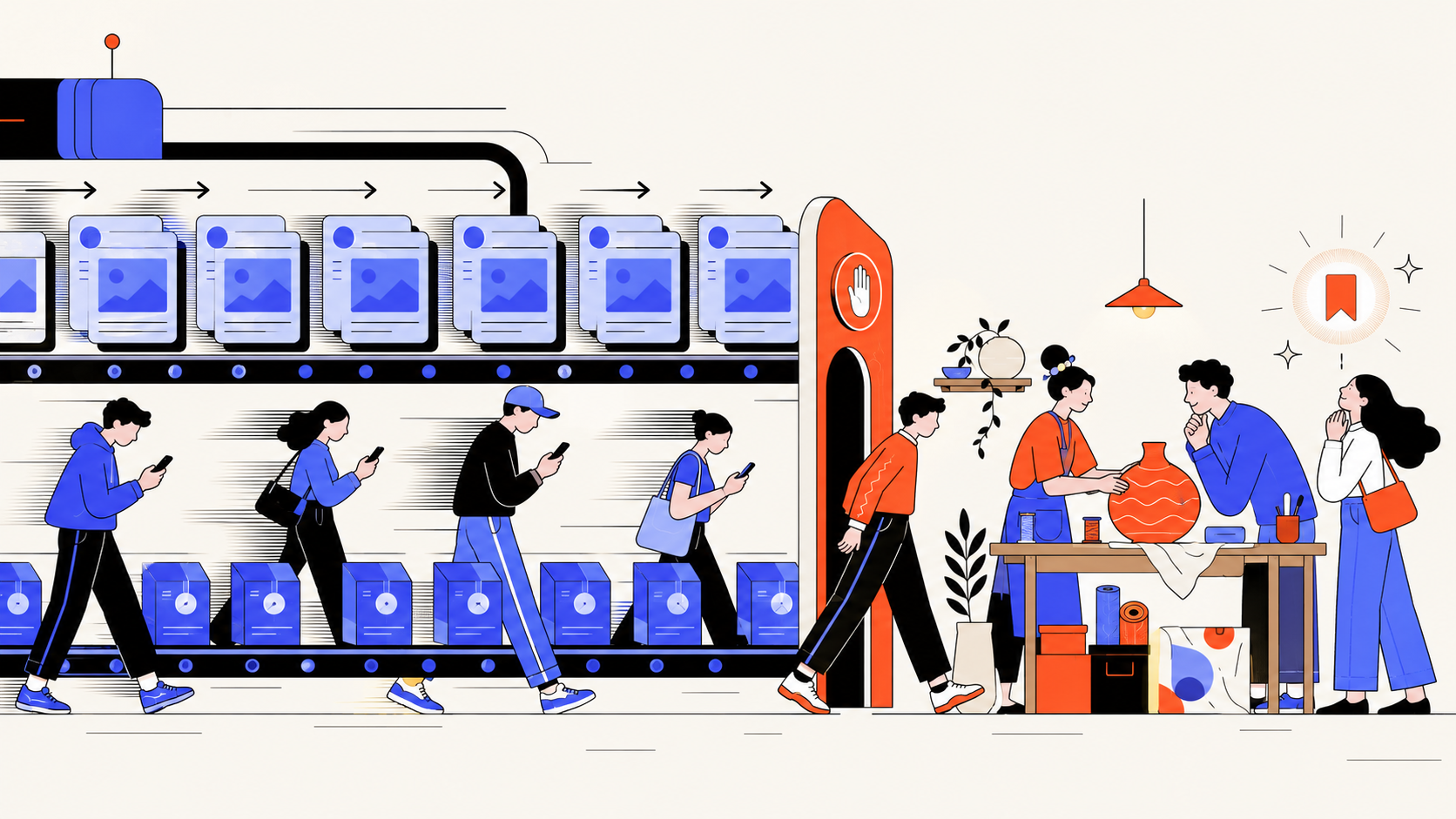
But there’s a downside. When everyone optimizes the same thing in the same way, a new problem emerges: digital monotony. Everything feels smooth, polished, and interchangeable. Webshops look alike. Flows are identical. And customers slide through without remembering anything.
The concept of “intentional friction” challenges that assumption. Not all friction is bad. On the contrary, the right kind of friction can strengthen the customer experience, increase loyalty, and create more effective marketing.
Three global brands using intentional friction
Several major brands have already made intentional friction a central part of their strategy.
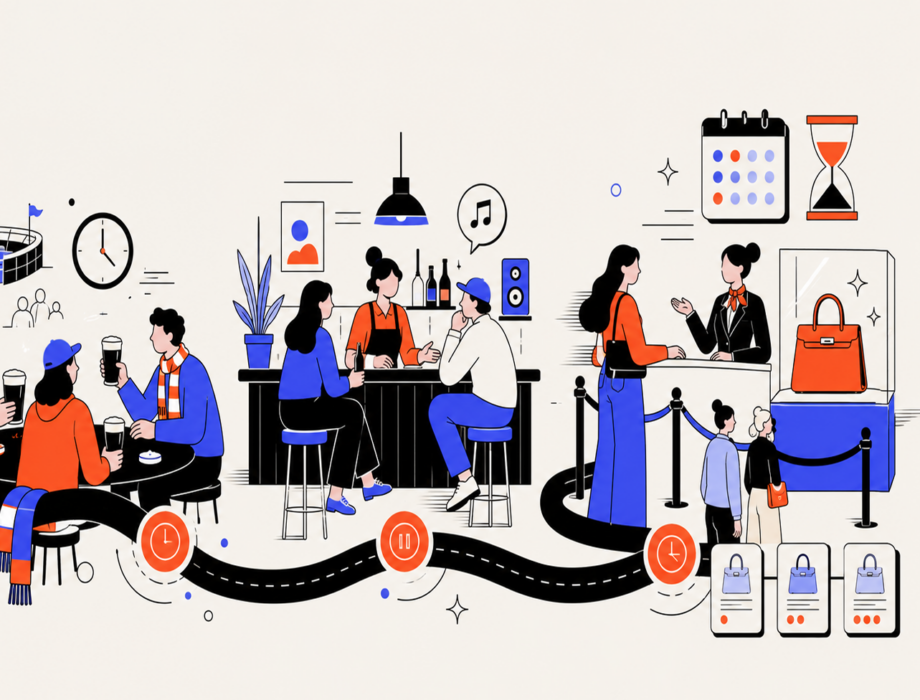
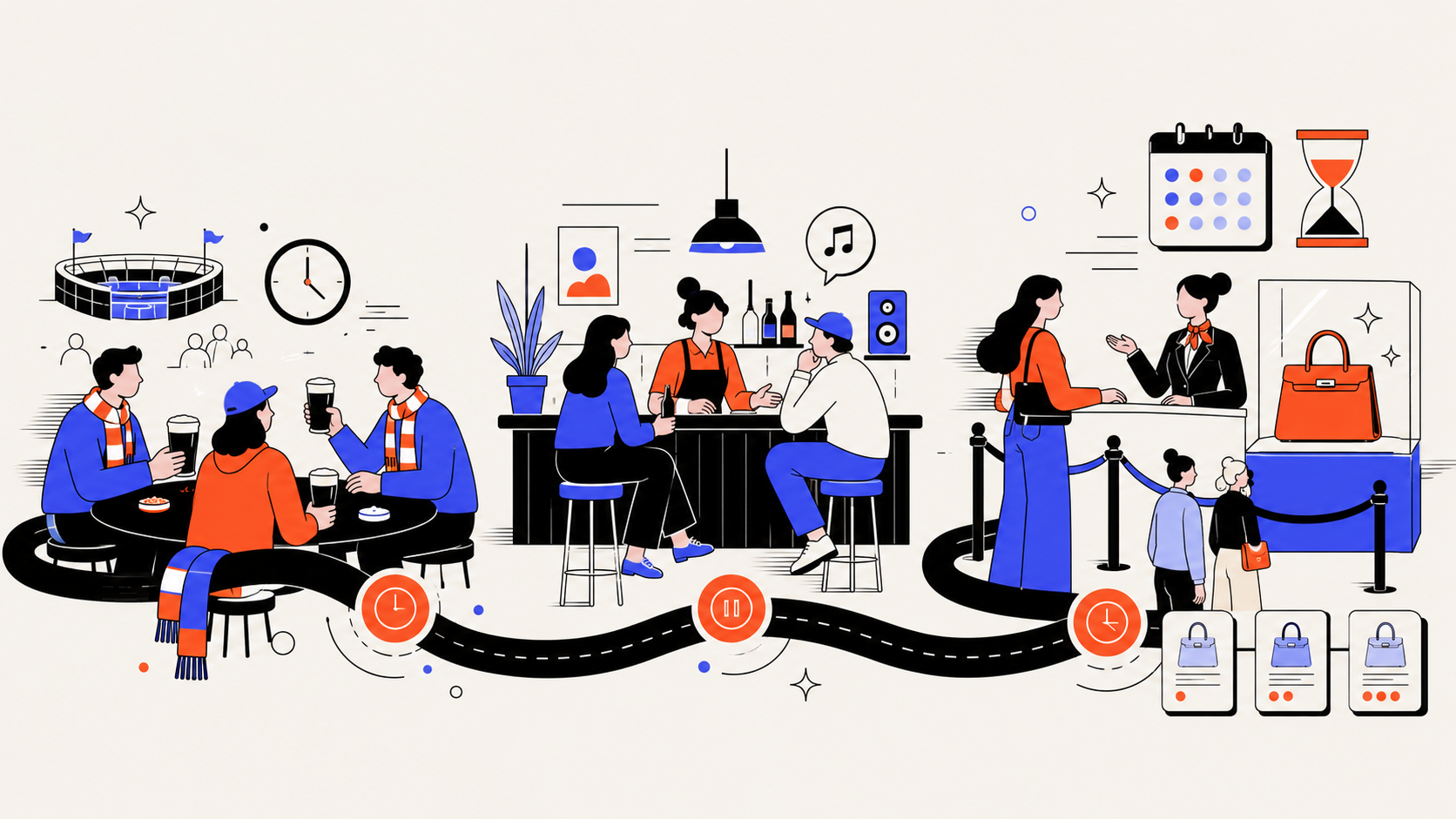
Guinness has built its Premier League sponsorship around matchday rituals – the pub visit before the match, the regular spot, the group that always arrives early. The focus isn’t on logo exposure, but on the slow, recurring moments that define the fan experience. Rituals require time and presence. It’s friction, but it’s meaningful friction that ties the brand to deeply rooted behavior.
Heineken has launched the platform Tocayos, which supports local bar culture. The platform deliberately invests in environments that neither can nor should be optimized for content production. It’s a strategic choice that strengthens authenticity over scalability.
Hermès is the classic example within the luxury segment. A Birkin bag costing around 100,000 DKK cannot be bought directly in the store. It requires a built-up purchase history, a relationship with the store, and time on a waiting list. The waiting list isn’t a flaw in the process – it is the value creation itself. The friction makes the product more attractive because it’s hard to get.
Practical application for Danish companies
The principle behind intentional friction isn’t reserved for luxury brands. It can be translated directly into the everyday reality of Danish companies.
Within e-commerce, “guided selling” can replace the traditional product overview. Instead of presenting the entire assortment at once, a short quiz – about skin type, needs, or preferences – can filter the product selection. It takes a bit longer, but the result is twofold: the customer finds the right product, and the customers who complete the quiz are typically more engaged, buy more, and return less.
In B2B contexts, a “Book a call” button can replace a direct purchase button. Customers who take the time to book a consultation are further along in their decision-making process and more serious. The friction filters and qualifies, while also giving the company the opportunity to understand the customer’s needs before closing the sale.
A shift is also happening within content marketing. TikTok has launched the format “Prime Time,” which makes it possible to show multiple ads in sequence to the same user. Meta is developing similar functionality within its Advantage+ system. The persuasive unit is no longer the individual ad – it’s the sequence. And sequences require time and attention from the recipient.
A practical rule of thumb
A simple model can help determine when friction should be removed and when it should be added.
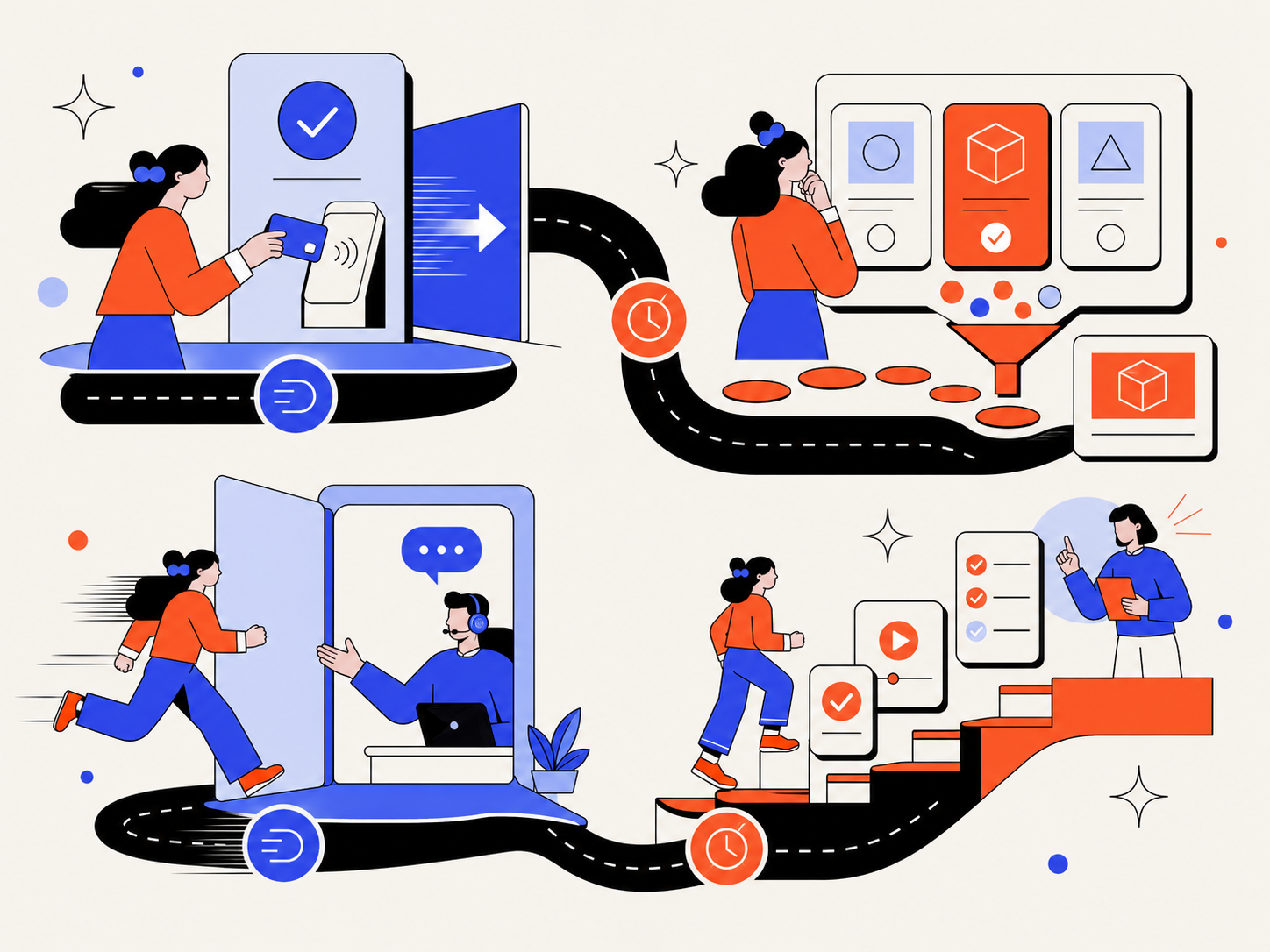
Friction should be removed in transactional processes: payment, navigation, customer service, and technical performance. Here, everything simply needs to work.
Friction should be added in decision-making and relationship-building processes: product selection, onboarding, advisory services, and building customer relationships. Here, the extra step creates a deeper connection and a better decision.
Examples:
- Checkout: Remove friction. Make the process as short and easy as possible.
- Product selection: Add friction. Help the customer choose correctly.
- Customer service: Remove friction. Make it easy to get help.
- Onboarding: Add friction. Make sure the customer truly understands the product.
A turning point for digital marketing
There are signs that digital marketing is reaching a turning point. In a world where AI can produce content quickly and cheaply, the human, slow, and handcrafted becomes more valuable, not less.
According to a report from the advertising company Smartly, based on responses from 450 marketing leaders globally, 75 percent are concerned that AI-generated content is making brands look alike. 86 percent have already experienced AI output that resembles their competitors’ material.
When everyone uses the same tools to optimize the same things, everyone ends up looking the same. Intentional friction is a strategic countermove: a way to stand out. Not by communicating louder, but by creating experiences that require something of the recipient – and which the recipient therefore remembers.
So what does this mean?
Intentional friction is not a step back toward cumbersome customer journeys – it’s a reminder that not everything needs to be made easier to create value. As AI makes it cheaper and faster than ever to produce content, the slow, considered, and human becomes a competitive advantage in itself.
The solution isn’t to remove all friction or add it everywhere, but to know when what makes sense. Remove friction where the customer just needs a task solved. Add it where the relationship and the decision are being formed.
The brands that understand the difference aren’t just building shorter customer journeys – they’re building the ones customers remember.